
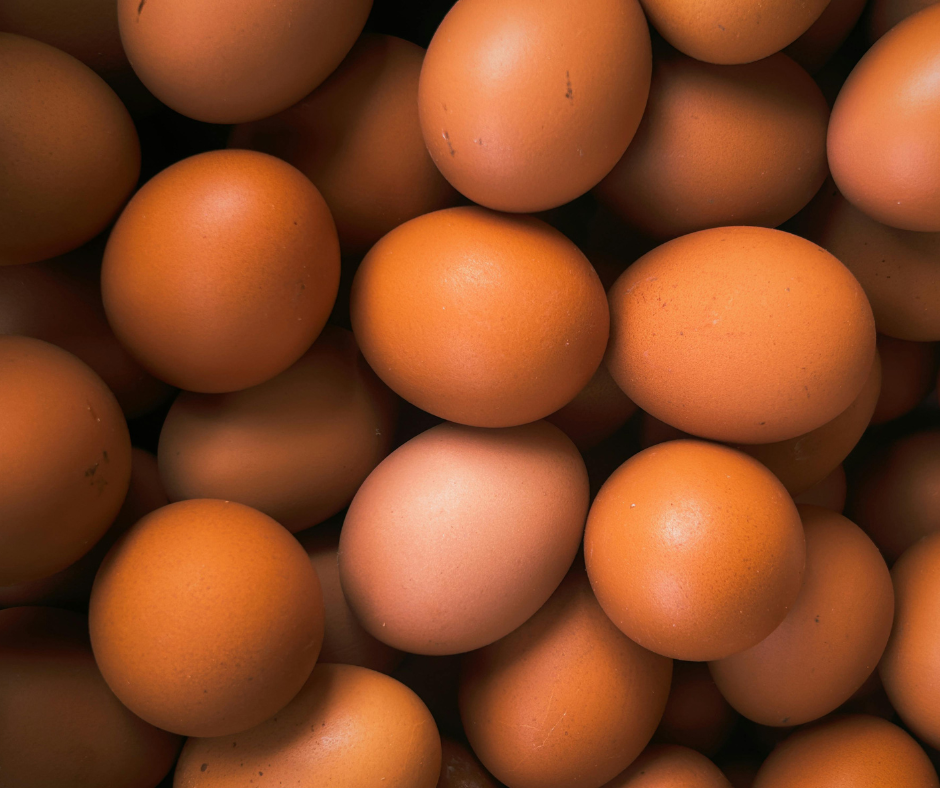
Shell quality is one of the first things measured. A good-quality eggshell should be clean, smooth, evenly formed and strong enough to protect the contents during handling, transportation and storage.
Shell strength can be assessed by measuring the force required to crack the shell. Shell thickness and shell weight can also provide valuable information about its structural quality.
Albumen quality, the quality of the egg white, is another important measurement. A fresh, high-quality egg generally has a thick, firm albumen that holds its shape when the egg is broken onto a flat surface. As an egg ages, the albumen gradually becomes thinner and more watery.
One common industry measurement is the Haugh Unit (HU), which considers the height of the thick albumen in relation to the egg’s weight. Generally, a higher Haugh Unit indicates a firmer, fresher egg white.
The yolk is also carefully assessed. A high-quality yolk should be round, firm and stand relatively high above the surrounding albumen when the egg is cracked. Yolk height and yolk diameter can be measured to calculate the Yolk Index, which provides an indication of yolk firmness and freshness. As an egg ages, the yolk membrane becomes weaker and the yolk tends to flatten.
Yolk colour is another visible characteristic, although it does not necessarily indicate freshness or nutritional value on its own. Yolk colour is influenced largely by the hen’s diet, particularly the types and amounts of natural pigments in the feed.
Other measurements can include egg weight, specific gravity, shell percentage, air-cell size, internal defects and blood or meat spots. These measurements help producers monitor flock performance and identify changes that may be related to age, nutrition, environmental conditions or handling.
Together, these measurements provide a detailed picture of egg quality. While consumers may judge an egg by its appearance, professionals use a combination of physical and internal characteristics to ensure eggs meet the required standards.
So, the next time you crack an egg, remember that there is a lot more behind that simple shell than meets the eye. From shell strength to albumen firmness and yolk quality, every measurement helps ensure a better egg reaches the kitchen.